Corpus Christi, TX · Garage Door Service
Corpus Christi's housing mostly went up between 1985 and 1994. Here's how that build era and the mild coastal climate decide whether your door is worth repairing.
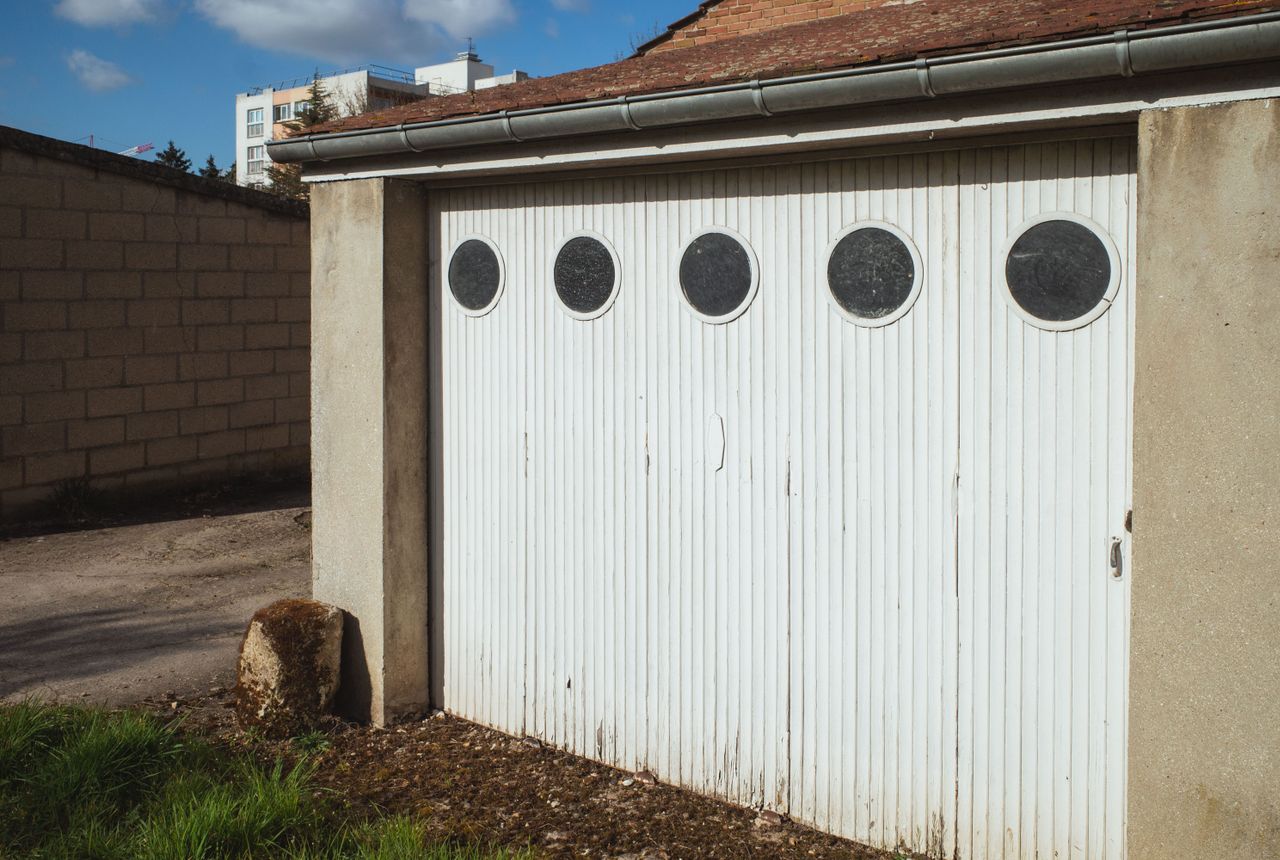
Most of the houses we get called to sit in that stretch built between 1985 and 1994, with 1989 as the rough midpoint across the four main pockets of that era. That means a lot of doors and openers on these properties are original or close to it, pushing thirty-plus years old. At that age, the question isn't "can we fix this," it's "should we." A torsion spring, a set of rollers, a worn bottom seal - those are cheap fixes on any door. But when the door itself is a single-layer steel panel from that build era, with hardware sized for a chain-drive opener nobody makes parts for anymore, you start throwing good money at a door that was never insulated and never built to today's panel standards to begin with. We see this constantly in the same handful of neighborhoods, because they were all framed out in the same ten-year window and they're all hitting the same wear point at close to the same time.
The mistake is treating every noisy or slow door as a repair call by default. If your house falls in that 1985-1994 build band, the door itself has likely never been replaced, only patched - a new opener bolted onto old track, a spring swapped once, maybe a panel dented and never matched because the color's long discontinued. Each patch buys a little time but doesn't touch the real issue: a steel skin from that era, with no insulation layer, doesn't hold up the same as newer stock. People also assume a working door means a sound door. A door that opens and closes fine can still be one bent hinge or one more rust spot away from a cable jumping the drum. On a door this age, we're not looking at whether it currently works - we're looking at how many more individual failures it can absorb before the repairs cost more than a new door would.
Corpus Christi sits in a mild temperate band - no hard freeze cycles, no deep swings that split wood jambs or shock steel panels the way you'd see further north. That actually works in favor of an older door: the springs and rollers on a 1980s-90s installation here have usually worn out from age and cycle count, not from weather abuse. That's a real distinction when you're deciding whether to fix or replace. A door that's failing because of steady, ordinary use is often still a fair repair candidate - new springs, new rollers, maybe new bottom brackets, and it runs another several years. A door that's failing because the panel steel itself has thinned or the track has racked out of square is a different conversation, and that's more common the closer a house sits to that 1989 median build year. Age of the stock matters here more than climate abuse does, which is the opposite of what folks assume when they call us worried about weather damage.
Here's the honest part: we don't push replacement on every older door, and we won't tell you a door is dead just because it's original to a house built in the late 1980s. Plenty of these doors, especially in the owner-occupied stock across this service area, still have good bones - solid track, square jambs, a panel that's dented but not failing. If the spring's the only thing gone, we replace the spring. What we won't do is keep re-patching a door that's already had three separate repairs, because at that point you're paying repair labor three or four times over instead of once for a door that won't need attention again for years. If your opener and hardware are both original to a house from that 1985-1994 window, ask us straight what we'd do with our own house before you approve a fourth repair on it.
Often, yes. A lot of the housing stock in this service area dates to that same 1985-1994 window, and it's common for the door and opener to be original to the build, only patched over the years rather than replaced. Worth checking the panel gauge and hardware before you approve another repair on it.
Corpus Christi's mild temperate climate doesn't put doors through the freeze-thaw cycling that cracks panels or seizes hardware elsewhere. Wear on doors here tends to come from age and use cycles rather than weather extremes, which is actually a point in favor of repair over replacement on many older doors.
Look at how many separate repairs it's already had and how old the panel steel is. A door with one issue - a spring, a roller set - is usually a fair repair. A door from the 1985-1994 build era with a history of three or more separate fixes is often costing more in repeat labor than a replacement would.
Call now or request a free quote - same-day service on most repairs, upfront written pricing.
